The doctor-patient relationship has always been the cornerstone of healthcare. Trust, empathy, and communication form the foundation of every effective consultation. But in today's fast-paced, digitally connected world, this relationship is evolving in ways we could hardly imagine a decade ago.
Technology is transforming how doctors connect with patients, share information, and provide care. From telemedicine to digital health records, wearable devices to AI-assisted diagnostics, every interaction is becoming smarter, faster, and more convenient.
Patients now expect more than just a face-to-face consultation. They want timely responses, clarity, and easy access to their health information. They seek transparency, convenience, and the ability to play an active role in their own care. At the same time, doctors face mounting pressures: heavier caseloads, administrative responsibilities, and the constant need to stay updated with the latest medical research. Technology bridges this gap, making interactions not only efficient but also meaningful and patient-centered.
Bringing Care Closer to Patients
Digital tools are shrinking the physical and logistical distance between doctors and patients. Video consultations, secure messaging, mobile apps, and online health portals enable patients to consult their healthcare providers without leaving the comfort of their homes. This is particularly crucial for individuals in remote or underserved areas, where access to specialists may be limited.
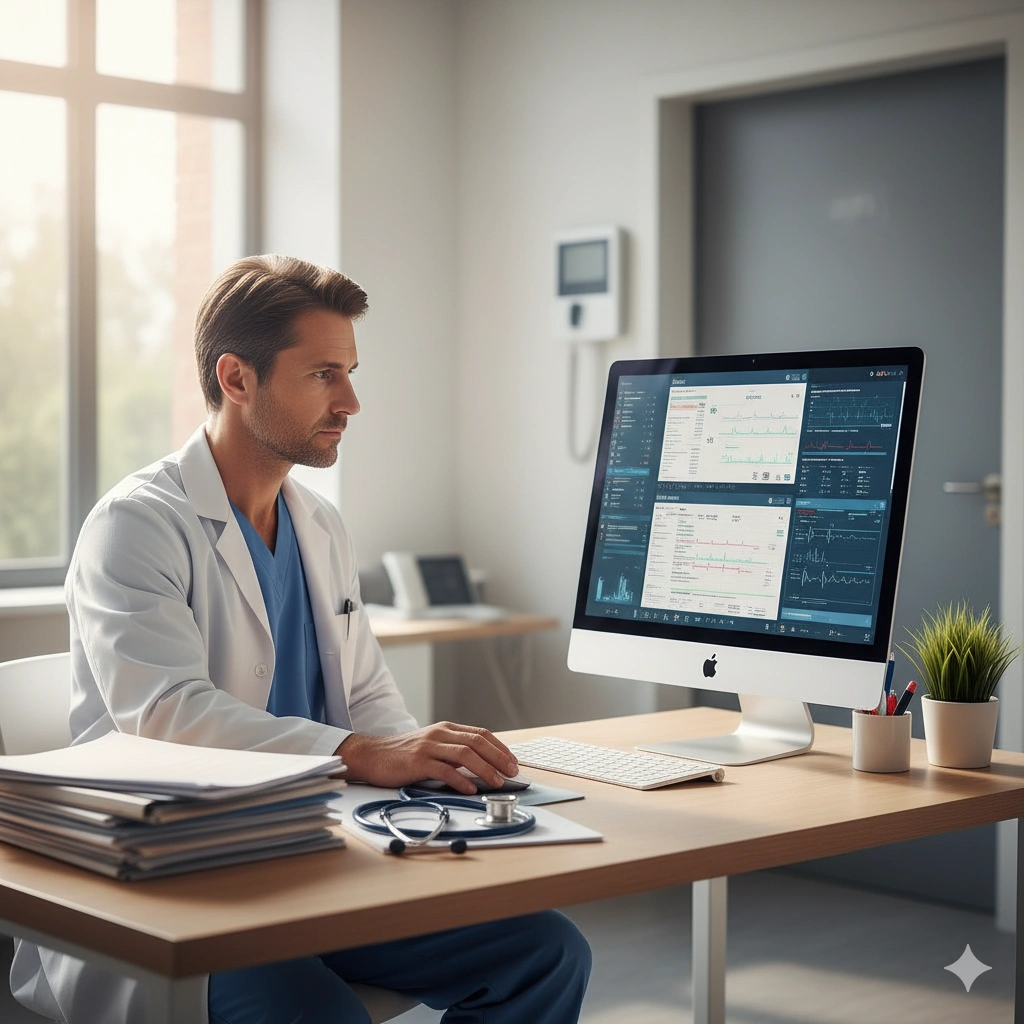
For doctors, having complete patient information at their fingertips allows for informed decision-making and more personalized advice. When a physician can review a patient's medical history, lab results, and prior prescriptions before a consultation, the quality of care improves dramatically. This seamless access fosters trust, strengthens doctor-patient relationships, and ensures continuity of care across multiple visits or facilities.
Real-Time Communication and Better Patient Engagement
Modern technology is breaking down communication barriers in ways previously unimaginable. Patients can now ask questions, describe symptoms, and receive guidance in real time, while doctors can respond promptly without being overwhelmed by phone calls or paperwork.
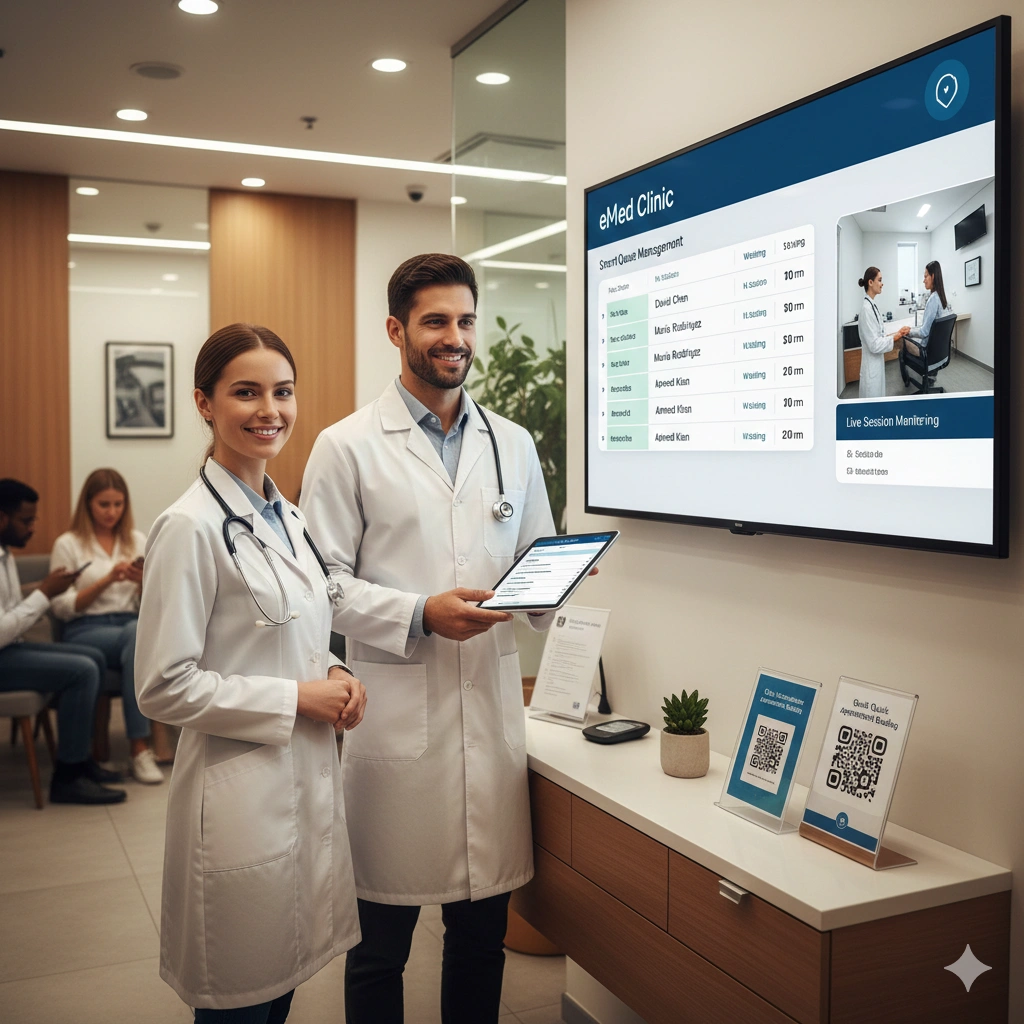
Platforms like eMed Care are leading this transformation. By connecting doctors, patients, and clinic staff on a single digital platform, eMed Care streamlines workflows, reduces errors, and ensures that everyone involved in the patient’s care has access to the same accurate information. Notifications, automated reminders, and centralized records help patients stay on top of their health journey, while doctors can manage their schedules and workload more effectively.
Empowering Patients Through Access and Transparency
Technology empowers patients to take a more active role in their healthcare. Digital health records, appointment scheduling tools, remote monitoring devices, and follow-up platforms give patients a sense of control and involvement. They can track their progress, understand treatment plans, and access important health information whenever they need it.
This patient-centered approach improves health outcomes. Informed patients are more likely to follow prescribed treatments, report side effects promptly, and make lifestyle adjustments that support their care. Moreover, real-time access to medical information reduces misunderstandings, builds confidence, and enhances the overall patient experience.
Redefining the Doctor-Patient Relationship
The essence of medicine, empathy, expertise, and trust, remains unchanged. What is evolving is how these values are delivered . Technology allows doctors to reduce the time spent on repetitive administrative tasks and focus more on meaningful interactions with patients. Patients, in turn, benefit from faster responses, clearer communication, and care that feels tailored to their needs.
Platforms like eMed Care exemplify this shift. By integrating teleconsultations, patient management, secure messaging, and workflow optimization, such platforms illustrate the potential of technology to strengthen rather than replace human connections. Doctors can spend more time listening, diagnosing, and guiding patients, while patients enjoy a healthcare experience that feels personal, efficient, and supportive.
Supporting Doctors, Reducing Burnout
Technology isn’t just changing patient experiences it’s transforming how doctors work. Electronic health records, AI-based decision support, automated scheduling, and digital prescriptions reduce administrative burdens that often lead to burnout. By automating routine tasks, doctors have more bandwidth to focus on complex cases, research, and patient interactions that truly require their expertise.
In a world where physician burnout is a growing concern, tools like eMed Clinic provide much-needed support. They ensure that doctors can maintain high standards of care without being overwhelmed, ultimately benefiting patients through safer, faster, and more accurate healthcare delivery.
A Connected, Patient-Centered Future
The future of healthcare is connected, transparent, and patient-centered. As digital tools continue to evolve, the doctor-patient relationship will become even more collaborative and informed. Telemedicine, wearable health devices, AI diagnostics, and comprehensive digital health platforms are laying the groundwork for a healthcare ecosystem where patients and doctors communicate effortlessly, and decisions are data-driven yet compassionate.
By embracing these technological advances, doctors can focus on what truly matters: delivering high-quality, empathetic care. Patients can take an active role in their health journey, feeling informed, respected, and supported every step of the way. Platforms like eMed Clinic are already making this vision a reality, demonstrating that technology doesn’t replace the human touch enhances it.
In the end, technology is not a substitute for the doctor-patient relationship. It is a powerful ally that allows it to flourish in a modern, fast-paced world. Each consultation, message, and follow-up becomes more meaningful, turning routine healthcare into a collaborative journey toward better health.