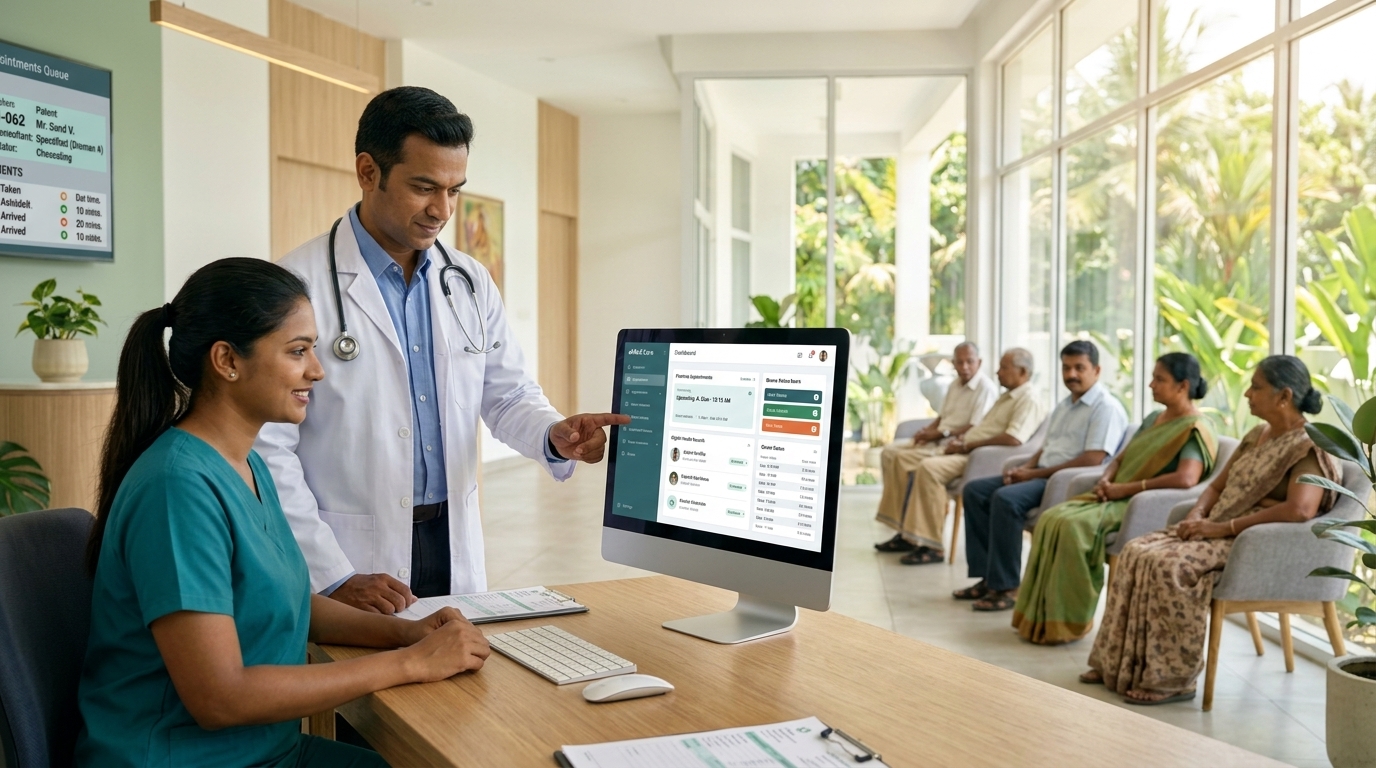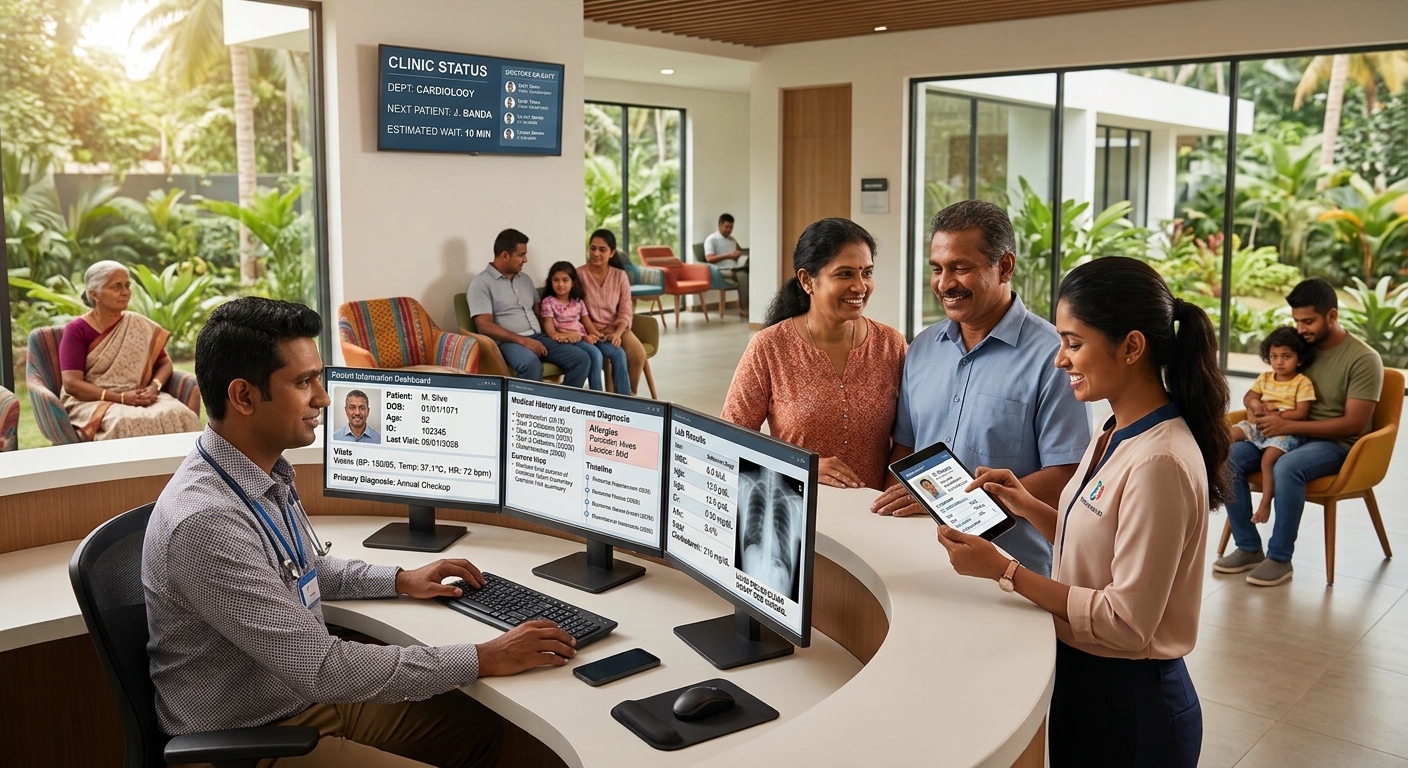
Running a modern medical practice involves balancing patient care with complex administrative duties. As patient volumes grow, manual workflows, such as paper intake forms, physical filing cabinets, phone-based scheduling, and handwritten prescriptions, can strain clinic operations.
When daily administration interferes with timely care delivery, operational bottlenecks emerge. Recognizing these challenges early helps practice leaders transition from reactive fixes to sustainable, digital workflows.
What are the signs that a clinic needs a digital management system?
A clinic needs a digital management system when manual administrative tasks lead to long patient wait times, lost paper records, scheduling conflicts, inconsistent follow-ups, handwritten prescription errors, or difficulty tracking inventory. Experiencing two or more of these operational bottlenecks indicates that a practice has outgrown manual workflows and requires an integrated software solution.
What Is a Digital Clinic Management System?
A digital clinic management system is an integrated healthcare technology platform designed to automate, organize, and streamline daily operational tasks across a medical facility.
Rather than relying on separate tools for booking, record-keeping, and billing, a centralized platform unifies core operations into a single interface:
- Patient Management: Securely stores electronic health records, demographics, and visit histories.
- Appointment Scheduling: Manages online booking, schedule coordination, and automated visit reminders.
- Smart Queue Management: Monitors live patient flow through reception, consultation, and dispensary stages.
- Digital Prescriptions: Generates legible electronic prescriptions and links directly to pharmacy records.
- In-House Pharmacy & Inventory: Tracks medication stock levels, expiration dates, and dispensing logs in real time.
By replacing paper logs with interconnected software, clinics reduce administrative burden, improve data accuracy, and maintain smooth daily workflows.
10 Signs Your Clinic Needs a Digital Management System
1. Your Clinic Relies Heavily on Paper Records
Manual record-keeping using physical charts and paper files poses logistically difficult challenges as patient panels grow. Physical files require dedicated storage space, suffer wear and tear over time, and risk being misfiled. When staff spend minutes searching for a chart before every consultation, daily clinic schedules stall. Transitioning to a secure patient management system keeps clinical histories organized, digitized, and instantly accessible to authorized staff.
2. Patients Spend Too Much Time in the Waiting Room
Overcrowded waiting rooms often stem from unpredictable patient arrival patterns and manual check-in processes rather than slow medical consultations. Without real-time visibility into patient arrivals, reception desks quickly become congested. Implementing smart queue management provides live visibility into patient flow, gives patients clear wait-time updates, and distributes arrival traffic evenly throughout the day.
3. Appointment Scheduling is Difficult to Manage
Managing appointments manually via phone calls, messaging apps, or paper registers frequently results in double-bookings, overlapping time slots, and missed appointments. Unorganized scheduling stresses reception staff and leads to erratic daily workflows. Dedicated appointment management software allows practices to automate bookings, send SMS or email reminders, and reduce no-shows.
4. Administrative Tasks Consume Too Much Staff Time
When administrative staff spend most of their day re-entering patient details, manually filing billing receipts, or calling patients to confirm appointments, less time remains for direct patient engagement. High administrative workloads cause burnout and increase data entry errors. Clinic automation streamlines repetitive administrative tasks, allowing front-desk personnel to focus on patient comfort and care coordination.
5. Doctors Struggle to Access Patient Information Quickly
During a consultation, physicians need fast access to medical history, past diagnoses, lab reports, and medication profiles. Manually leafing through bulky paper folders delays consultations and increases cognitive fatigue. A consolidated practice management software solution places complete clinical records at the doctor’s fingertips with a few clicks.
6. Prescriptions Are Still Completely Handwritten
Handwritten prescriptions present legibility issues, increase the risk of dosage misinterpretations, and slow down the dispensing process at the pharmacy counter. Adopting digital prescriptions allows clinicians to generate clear, structured e-prescriptions rapidly. This improves accuracy, accelerates prescription processing, and builds a permanent digital history of patient medications.
7. Managing Pharmacy or Stock Inventory is Unreliable
If your practice maintains an on-site dispensary, tracking medication stock with manual logbooks frequently leads to stockouts, expired inventory, or unaccounted medication discrepancies. Integrated in-house pharmacy tracking automatically deducts items as digital prescriptions are dispensed, alerts staff to low stock levels, and flags approaching expiry dates before stock is wasted.
8. Patient Communication and Follow-ups Are Inconsistent
Manual patient outreach makes managing post-consultation care, lab result updates, and preventative check-up reminders difficult. Disconnected communication leads to missed follow-ups and lower patient retention. Automated patient management tools let practices send scheduled follow-up reminders, preventive screening notices, and post-visit care plans effortlessly.
9. You Have Limited Visibility into Operations and Performance
Without centralized operational data, practice managers struggle to evaluate daily clinic health. Key operational metrics such as average patient wait times, consultation durations, daily revenue trends, and inventory turnover remain hidden in disparate paper logs. A comprehensive healthcare management system aggregates practice data into clear dashboards to support informed operational decisions.
10. Your Current Process Cannot Scale with Clinic Growth
Processes that work for 15 patients a day often break down when patient volume rises to 50 or 100. Expanding a clinic by adding more physical paperwork or extra phone lines causes operational costs to escalate without improving efficiency. Modern GP practice management software provides a scalable framework, allowing clinics to expand patient volume, add new healthcare providers, or open secondary locations seamlessly.
Does Your Clinic Need a Digital Management System?
Scan this checklist to evaluate whether your current workflows meet your operational needs:
- Patients regularly experience long or unpredictable waiting times.
- Staff spend significant time pulling, searching for, or filing paper medical charts.
- Appointment double-bookings or scheduling conflicts occur frequently.
- Prescriptions are handwritten, creating extra clarification calls from pharmacies.
- Tracking in-house pharmacy stock relies on manual registers or spreadsheets.
- Patient follow-up messages and recall appointments are managed inconsistently.
- Practice leadership lacks clear real-time visibility into daily clinic operational performance.
If you checked two or more of these operational challenges, your clinic has likely outgrown its current manual setup and would benefit from adopting a modern clinic workflow management system.
Ready to Take Your Clinic Digital?
Transitioning from manual paperwork to streamlined digital workflows helps practices improve operational efficiency, minimize administrative fatigue, and focus on patient care.
eMed Care provides a comprehensive healthcare technology platform built to support growing clinics and GP practices. By unifying essential workflows into one intuitive platform, eMed Care helps medical teams modernise their daily practice operations:
- Clinic & Workflow Management: Streamline daily operational tasks across reception and consultation rooms.
- Appointment Management: Automate patient bookings, schedule coordination, and visit reminders.
- Smart Queue Management: Eliminate waiting room congestion with live queue tracking.
- Digital Prescriptions: Issue clear, secure e-prescriptions linked directly to clinical histories.
- In-House Pharmacy Tracking: Maintain real-time visibility over medication inventory and dispensing.
Discover how eMed Care can support your practice's digital transformation by exploring our digital clinic management system solutions today.
Ready to transform your practice?
Discover how eMed Care’s intuitive solutions can help you digitalize seamlessly.